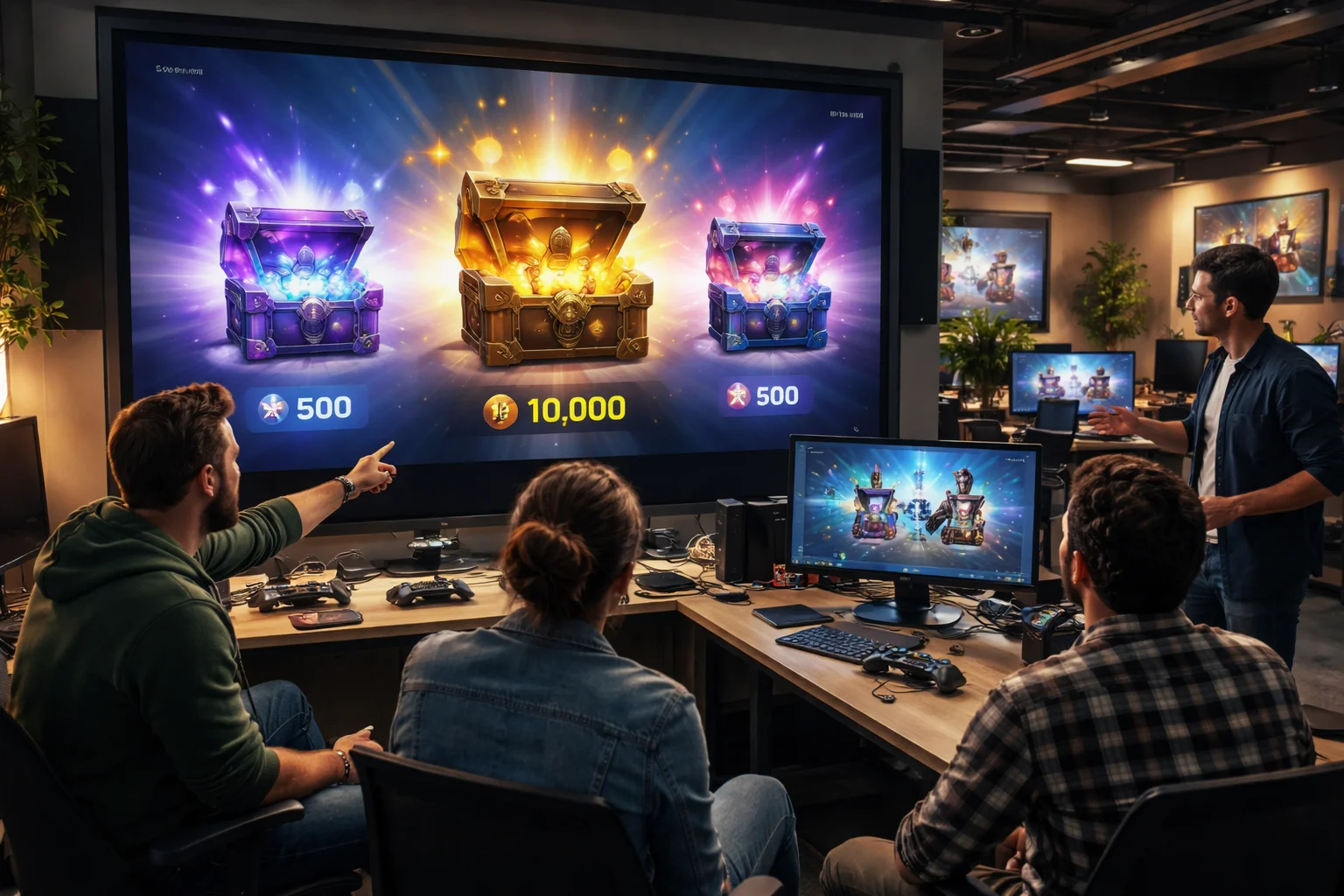
Blockchain gaming continues to grow as studios explore new ways to reward players through tokens, ownership, and community involvement.
It feels less like a passing trend and more like the next step in how players interact with the games they love. Instead of collecting items that vanish with time, gamers now gain assets they control, trade, or store.
This shift makes gameplay feel more meaningful and opens doors for both players and developers to benefit together.
Early Crypto Adoption in Gaming Rewards Systems
Several studios are using token-based rewards for several reasons. Crypto can fit perfectly into the achievement process in gaming.
The majority of gamers are chasing “loot” and “rare skins”; therefore, receiving rewards with tangible value is an obvious next step.
Unlike items that remain on one platform, tokens are stored on the gamer’s account, resulting in greater satisfaction when players earn tokens from their victories and a longer-lasting victory experience.
Gamers will continue to earn opportunities in the form of earning rewards that extend beyond a gamer’s XP bar or temporary mission.
Today, people talk about early Bitcoin investors who turned a relatively small investment into a large sum of money; thus, many gamers are curious to learn more about investing in cryptocurrency.
Blockchain games attract the same type of gamers as these early-stage blockchain games. Being an early adopter of a new project provides a unique sense of having discovered a hidden path before everyone else.
This is where comparisons help. Bitcoin remains a solid investment, but the days of massive, explosive growth seem unlikely to repeat. Even at 200k, most gains would be modest compared to what dreamers imagine.
That’s why discussions about a potential 1000x coin usually surface around newer gaming-linked ecosystems that are still expanding and experimenting with different models of utility and engagement.
How Blockchain Incentivizes Player Retention?
Players are likely to come back and play much more frequently if their rewards are based on token progress through gameplay, as long as those rewards are felt to be reasonably achievable (not requiring hours and hours of “grinding”), than if rewards were only obtainable by grinding endlessly.
If players earn tokens rather than random generic loot, there is an additional layer of motivation added to the experience.
Daily missions and staking mechanics further strengthen retention. A player who stakes tokens for long-term rewards has a reason to log back in tomorrow.
It’s similar to collecting login bonuses, but with financial upside. That small “I don’t want to miss today” feeling turns into a habit surprisingly fast.
The sense of ownership will create the emotional buy-in into the game’s ecosystem. The moment that players own tokens, they begin to feel a connection to the ecosystem, almost as if they are shareholders in the world they helped build.
Reward transparency can eliminate frustration and make the game more appealing to players who dislike RNG-heavy reward systems.
By making rewards clear and understandable, the burnout caused by having to roll endless loot boxes in the hope of greatness is minimized, and satisfaction is encouraged.
The Increasing Value of Digital Asset Ownership
Trading skins and items outside a single game platform opens a freedom most players have never had. When assets aren’t stuck in one account forever, they suddenly matter more. Imagine winning a rare sword and later selling it or transferring it to another title, instead of letting it collect digital dust.
Secondary markets turn collecting into a hobby with purpose. People have always loved limited skins and event-exclusive items, but now there’s resale potential.
That transforms cosmetic collecting from flexing to investing. Some players buy rare drops just like others trade sports cards or sneakers it scratches that collector itch.
NFTs work well for loyalty perks and competition prizes. A trophy NFT from a tournament feels more permanent than a text badge on a profile.
Plus, it’s something you can hold, sell, or display later. Rewards like this build identity inside a gaming community, and that identity keeps players engaged.
Scarcity adds excitement. When only a few items exist, owning one feels special. Games using blockchain scarcity create stories “I found it first,” “I minted early,” “I won the rare drop.”
Communities love stories like that. Emotional value grows, market value might follow, and players stay attached longer than casual titles expect.
Token Economies Driving Community-Led Development
Player voting through governance tokens brings a sense of involvement. Instead of yelling into forums and hoping someone reads it, token holders influence changes directly.
When people help build a world, they care about the outcome. Participation goes up, arguments matter less, and collaboration becomes the norm.
Developers reward testers and early adopters with tokens, which keeps small communities active even during alpha stages. Early players feel like founders rather than customers. That emotional ownership pushes them to share feedback, invite friends, and stick with the game as it evolves.
Transparency regarding development helps build trust between developers and the player base. When developers inform players about upcoming updates (or announce their plans for future token emission and potential changes to the in-game economy), they treat players with respect and transparency.
Players will typically remain in the game longer and have a greater desire to contribute to its ecosystem (i.e., participate in its token economy) because of this openness.
The use of blockchain technology ensures that transparency becomes an industry-wide standard, rather than optional, which is a welcome change of pace after years of vague “patch notes” in many traditional video games.
Wrap Up
The move toward blockchain-based rewards shows no signs of slowing, and players clearly enjoy gaining more than just digital trophies. Games that offer absolute ownership and long-term incentives keep communities engaged and invested.
Whether someone plays casually or hopes for long-term value, Web3 mechanics add excitement to the experience. It’s a change worth watching closely.